Common Climbing Injuries and How to Prevent Them
Climbing is an incredible sport — it challenges your strength, technique, and mental focus. But like any physically demanding activity, it comes with risk. Over the years, I’ve worked with climbers of all levels, and I’ve seen that most injuries are preventable with awareness, preparation, and good habits. Knowing what injuries are common, why they happen, and how to prevent them can help you stay on the wall longer, improve safely, and enjoy every session.
Whether you’re just starting out or you’ve been climbing for years, understanding these risks and taking proactive steps is crucial.
Common Climbing Injuries
Finger and Tendon Strains
Fingers take a huge amount of stress in climbing, especially on steep routes or during crimp-heavy moves. The small pulleys and tendons in your fingers are particularly vulnerable to overuse. Beginners often grip too tightly or rely on crimping for support, while more experienced climbers might push their limits on overhangs or dynamic moves.
Symptoms: pain at the joint or along the tendon, swelling, stiffness, or a popping sensation. Ignoring these signs can lead to chronic issues that take weeks or months to heal.
How to prevent: Warm up fingers with gentle stretches and mobility exercises. Gradually increase intensity on the wall rather than jumping into hard routes. Avoid over-gripping and incorporate open-hand grips when possible. Fingerboard training should be introduced only after you’ve built a base of strength and experience.
Elbow Tendonitis (Climber’s Elbow)
Elbow tendonitis, similar to tennis elbow, occurs when the tendons around the elbow are inflamed due to repetitive stress. Over-gripping, poor movement patterns, or repeated pulling can all contribute. Both the outside (lateral epicondylitis) and inside (medial epicondylitis) of the elbow can be affected.
Symptoms: soreness after climbing, pain when extending or flexing the arm, tenderness around the elbow.
Prevention: Focus on technique over brute strength. Avoid over-gripping holds and ensure that your pulling movements come from the shoulders and back rather than isolating the forearms. Strengthening antagonist muscles in your arms (like push-ups, triceps work) and stretching before and after climbing can also help.
Shoulder Strains and Rotator Cuff Injuries
Your shoulders take a lot of load during climbing, particularly on overhangs, mantles, and dynamic moves. Weak stabilising muscles or poor technique can lead to strains or rotator cuff injuries.
Symptoms: pain during overhead movements, weakness, or a catching sensation in the joint.
Prevention: Strengthen shoulder stabilisers and rotator cuff muscles through targeted exercises like resistance band rotations or scapular stabilisation drills. Maintain proper body positioning while climbing, keeping your shoulders engaged but not overextended. Avoid sudden, uncontrolled dynamic moves until your technique and strength allow.
Knee, Ankle, and Lower-Limb Injuries
Twisting your knee or ankle during a fall or awkward foot placement is common, particularly in bouldering or when attempting dynamic moves.
Symptoms: swelling, bruising, pain on twisting, or instability in the joint.
Prevention: Always land with bent knees and try to roll with the fall if bouldering. Use crash pads properly and spotters when needed. On rope climbs, ensure careful foot placement and control your momentum during dynamic moves.
Skin Abrasions, Blisters, and Ripped Calluses
While not as severe as tendon or joint injuries, skin injuries are extremely common. Rope burns, callus tears, and blisters on fingers or palms can make climbing uncomfortable and slow your progress.
Prevention: Maintain your skin with regular care — keep calluses trimmed, use hand balm, and avoid climbing with torn or overly dry skin. Taping fingers can help protect vulnerable areas, particularly on crimpy or high-volume sessions.
How to Prevent Climbing Injuries
1. Warm-Up Thoroughly
A proper warm-up increases blood flow, prepares muscles and tendons, and reduces the risk of sudden strain. Start with light aerobic movement, followed by joint mobility exercises for shoulders, elbows, wrists, and fingers. Gradually progress to easy climbing problems or traverses before attempting more difficult routes.
2. Focus on Technique
Many injuries stem from poor movement rather than lack of strength. Efficient climbing technique — using your feet, body positioning, and core rather than over-relying on arm strength — reduces stress on fingers, elbows, and shoulders. Practicing controlled movement, smooth transitions, and proper body alignment is key.
3. Build Strength Gradually
Strength is important, but overtraining or rapid progression can lead to injuries. Gradually increase difficulty, volume, and intensity. Incorporate finger, forearm, shoulder, and core exercises off the wall, alongside antagonist training for balance. Avoid sudden jumps to harder grades or strenuous moves without adequate preparation.
4. Rest and Recovery
Tendons, ligaments, and muscles need time to repair. Ignoring pain or climbing while fatigued is a fast track to injury. Listen to your body, take rest days, and don’t underestimate the power of a good night’s sleep.
5. Use Protective Gear
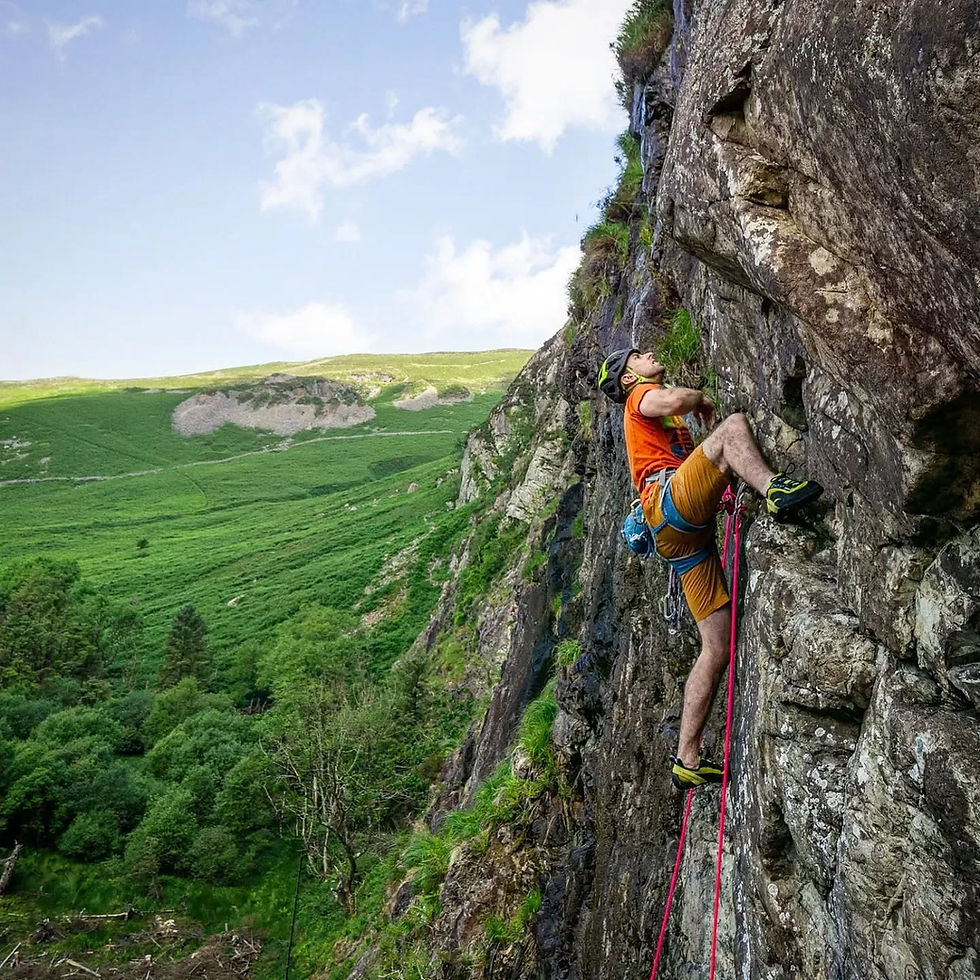
Always wear a helmet outdoors to prevent head injuries. Use crash pads and spotting when bouldering. Taping fingers, wearing supportive climbing shoes, and using gloves or hand balm when necessary can also help reduce minor injuries.
6. Pay Attention to Early
Warning Signs
Mild soreness after a session is normal, but sharp or persistent pain is a red flag. Ice, rest, and gentle stretching can help minor issues. For persistent or severe injuries, consult a physiotherapist or healthcare professional experienced in climbing injuries. Early intervention can prevent long-term problems.
Key Takeaways
Climbing injuries are common, but most are preventable. Focus on warming up, practicing efficient technique, gradually building strength, resting properly, and using protective gear. Listen to your body and address pain early — it’s far easier to prevent injuries than to recover from them.
With awareness and good habits, climbing can be a safe, enjoyable, and long-lasting pursuit. By taking care of your body, you’ll climb more confidently, improve faster, and spend more time enjoying the rock instead of sidelined by avoidable injuries.



Comments