How to Improve Your Climbing Technique: Tips from an Experienced Guide
When someone comes to me asking how to get better at climbing, the first thing I always say is this: Technique is everything. Strength is helpful, but technique allows you to climb efficiently, move confidently on difficult terrain, and prevent unnecessary fatigue or injury. The good news is that technique is something you can actively develop — with the right mindset, practice, and guidance.
Over the years, I’ve worked with climbers of all levels, from complete beginners to experienced adventurers. What I’ve learned is that improving technique is less about raw power and more about body awareness, movement efficiency, and problem-solving on the rock. Here’s how I help climbers make real progress.
Focus on Footwork
Footwork is the cornerstone of good climbing technique. Many beginners rely too heavily on their arms, which leads to rapid fatigue. I always encourage students to trust their feet. Every foothold has a purpose — even tiny edges can support your weight if you place your foot correctly.
Practice precise foot placement by consciously feeling where your toes make contact with the rock. Use your toes rather than your instep or heel for balance. On slabs or vertical walls, learn to shift your weight over your feet rather than pulling yourself up with your arms. Efficient footwork doesn’t just save energy — it allows you to move smoothly and confidently.
Body Positioning and Balance
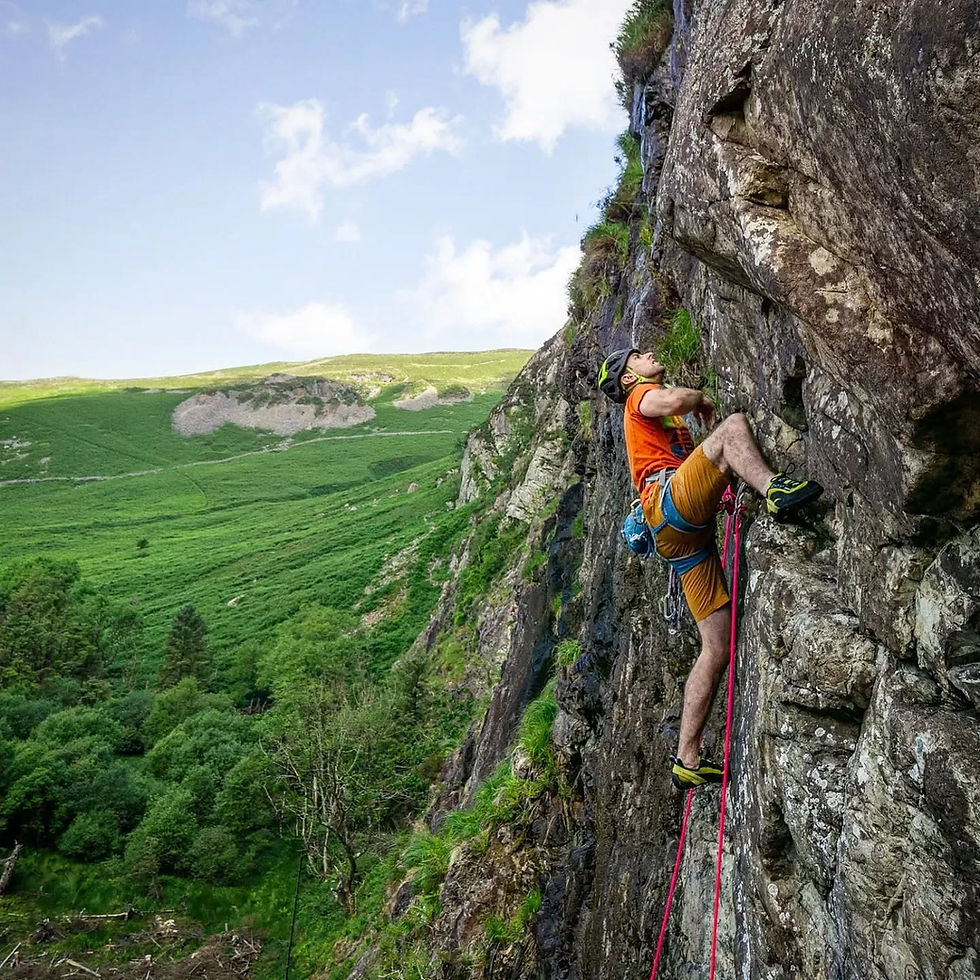
Once you’re comfortable with footwork, the next step is body positioning. Good climbers learn to keep their center of gravity close to the wall. This reduces strain on the arms and helps you maintain balance, especially on overhangs or uneven surfaces.
Techniques like twisting your hips to bring your body closer to the wall, keeping your arms straight when possible, and using counter-pressure moves on corners or edges all improve efficiency. When I coach climbers, I often have them focus on one movement at a time — for example, just shifting their hips correctly while keeping their feet in place — until it becomes second nature.
Handholds and Grip
Understanding how to use your hands effectively is another crucial aspect of climbing technique. Not every hold should be grabbed with brute force. Learn to use open-handed grips when possible, and save crimping or pinching for smaller or more demanding holds.
I encourage climbers to think of their hands as tools that guide and balance the body rather than as the primary source of upward movement. Smooth, controlled movements often beat raw strength every time. Practicing controlled movements on easier routes builds muscle memory and makes harder climbs feel more natural.
Route Reading and Planning
Technique isn’t just about how you move — it’s also about thinking ahead. Before you climb, study the route and visualise the sequence of moves. Identify cruxes, rest positions, and tricky transitions. This is something I always emphasise during guided sessions: reading the route before you start prevents hesitation mid-climb and improves efficiency.
As you gain experience, try to climb routes multiple times, experimenting with different sequences. You’ll soon notice that some movements are easier or more efficient than others — and that awareness is key to improving technique.
Strength and Flexibility Training
While technique is more important than raw strength, developing a strong, flexible body complements good movement. Core strength, for instance, helps you twist and balance, while shoulder and back strength aids controlled reaches. Flexibility in the hips and legs allows for wider stances and more comfortable foot placements.
I recommend exercises that mimic climbing movements rather than just general gym work. Pull-ups, lock-offs, core stability exercises, and dynamic stretches all contribute to better climbing technique. But always pair strength work with practice on the wall — technique without application is just theory.
Practice, Patience, and Mindfulness
Improving technique is a gradual process. I often remind beginners that progress comes from consistent, focused practice rather than trying to climb the hardest routes immediately. Take time to notice how your body moves, experiment with different grips, stances, and positions, and reflect on what works.
Mindfulness on the wall — being fully aware of each foot placement, handhold, and body shift — helps you internalise good habits faster. Over time, these small adjustments compound into noticeable improvement.
Working with a Guide or Coach
One of the fastest ways to improve technique is to get personalised feedback. I work closely with climbers to identify areas for improvement, demonstrate efficient movement, and give drills that target specific weaknesses. A trained eye can spot habits you might not notice yourself — like over-gripping, swinging the body unnecessarily, or misplacing your feet.
Even a few sessions with a guide or coach can accelerate progress dramatically, giving you confidence and helping you avoid forming inefficient habits that can be hard to unlearn later.
Bringing It All Together
Improving climbing technique is about more than just strength. It’s about trusting your feet, positioning your body efficiently, using your hands intelligently, reading routes, and practising with intention. By combining mindful movement, focused practice, and sometimes guided instruction, you’ll climb more efficiently, safely, and confidently.
Remember, every climber improves at their own pace. Focus on steady, consistent practice, pay attention to your body, and enjoy the learning process. With time, these technical improvements will feel effortless, and you’ll find yourself tackling climbs that once seemed out of reach.



Comments